The Complete Guide to HVAC for New Homeowners in Denver
Published: 2026-04-14 · By ThermaFlow Heating and Cooling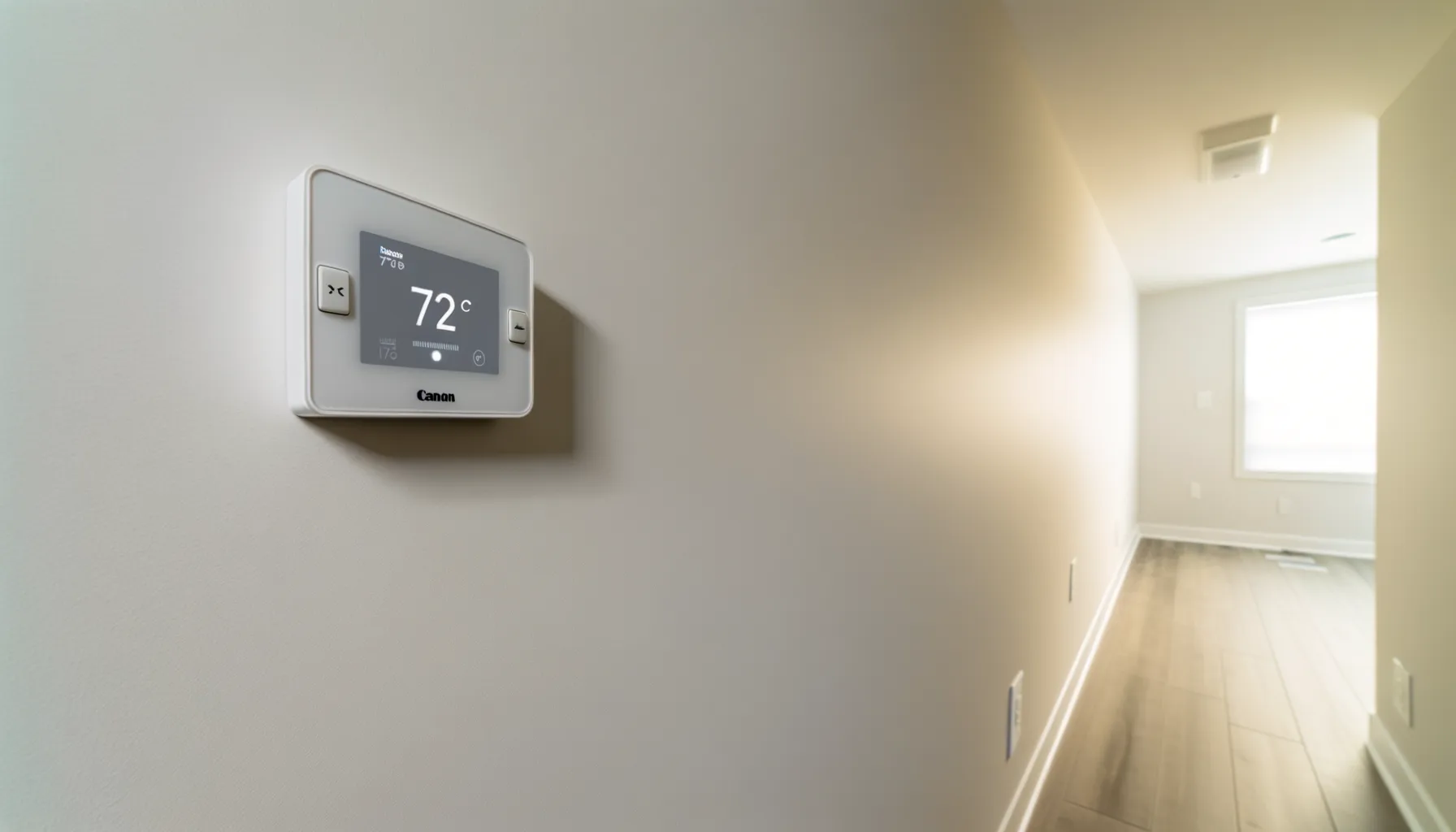
As a new homeowner in Denver, you might be feeling the excitement of settling into your dream space. Yet, the unpredictable nature of Colorado's climate, with its rapid temperature swings and unexpected hail storms, can create a sense of urgency about your heating and cooling systems. If you've just navigated the challenges posed by snowmelt in spring, ensuring your HVAC system can handle these extremes is essential. The last thing you want is to discover that your system isn't equipped to keep you comfortable when the next storm hits. In this guide, we’ll explore key HVAC considerations tailored specifically for Denver homeowners, so you can breathe easy knowing your home is prepared for whatever Mother Nature throws at it.
Why This Matters for Denver Homeowners
Denver's unique weather presents serious challenges for homeowners, especially when it comes to heating and cooling systems. Rapid swings between freezing cold and warm weather can strain HVAC equipment, leading to unanticipated failures. Just as homes in the area are often built on expansive clay soils, which swell with moisture and shrink when dry, so too can the systems within these homes be influenced by the environment.
During spring, the freeze-thaw cycles can cause structural strain, potentially impacting the efficiency of your heating and cooling systems. Additionally, hail storms can lead to damage not only to roofs but also to outdoor HVAC units, necessitating prompt repair or replacement. Poor drainage exacerbated by the local soil conditions can also flood units, further heightening the importance of a reliable HVAC setup. Consequently, understanding how to maintain these systems directly correlates with your comfort and safety.
Investing in a robust HVAC system is crucial to avoid costly repairs and keep your home liveable. Whether it’s the dead of winter or the peak of summer, having dependable heating and cooling can't be overstated.
Expert Solutions & Actionable Tips
1. Understand Your System’s Capacity
A common misconception is that all HVAC systems are universally effective. In Denver, however, the capacity to heat and cool effectively is essential due to the climatic extremes. Homeowners should calculate the appropriate tonnage needed based on the size of their home, with many opting for systems with a capacity ranging from 2 to 5 tons. Consult an HVAC professional to get specific recommendations tailored to your home’s layout and orientation.
2. Regular Maintenance Checks
In a location like Denver where weather can shift dramatically, routine maintenance becomes critical. Schedule annual inspections before the HVAC usage peaks—in fall for heating and spring for cooling. Expect to pay between $75 to $150 for these checks, covering the cleaning of filters, checking refrigerant levels, and assessing insulation integrity. Regular maintenance not only improves lifespan but also enhances energy efficiency.
3. Invest in Smart Thermostats
Upgrading to a smart thermostat is an excellent decision for homeowners aiming to optimize their HVAC systems in Denver. These devices allow for precise temperature control and, importantly, can adapt to unexpected temperature changes in real-time. Typical costs range from $100 to $250 for the unit, not including installation. The savings on energy bills can quickly make this a worthwhile investment.
4. Insulate Ductwork Properly
In order to counteract the potential for heat loss, especially in older properties, ensure that ductwork is adequately insulated. In Denver, homes built before 2000 may not have optimal insulation, leading to up to 30% loss of heated or cooled air. Insulating ducts can cost an average of $700 to $1,200, but it will certainly improve your system's efficiency and comfort levels exponentially.
5. Prepare for Hail Damage
Given Denver’s stormy reputation, homeowners should consider protective measures for their outdoor AC units. Installing hail guards can cost approximately $150 to $300, potentially saving thousands in repairs from hail damage. Evaluate the position of your unit, ensuring it’s adequately shielded, and be proactive about checking it after storms.
6. Seasonal HVAC Filter Replacement
Focusing on your HVAC filters is a small but crucial aspect of system care. Filters should typically be replaced every three months or more often if you have pets or allergies. Set aside about $15 to $50 for quality replacements, and consider checking them monthly to maintain air quality and system efficiency, especially during peak usage months.
Denver Climate & Local Context
Denver’s climate is notorious for its rapidly changing conditions. With a wide range of temperatures throughout the year, HVAC systems endure a lot of stress. Moreover, the local building stock often poses unique challenges; expansive clay soils can cause homes to shift, impacting ductwork and overall structural integrity. Building codes in the Denver area emphasize energy efficiency and proper drainage, meaning homeowners must maintain compliance while investing in reliable HVAC solutions.
Another layer of complexity arises in spring when heavy snowmelt can overwhelm drainage systems, necessitating thoughtful preventative measures for HVAC installations. Homeowners should check local codes on ventilation and exhaust systems to ensure compliance and comfort during the annual thaw.
When to Call a Professional
Knowing when to tackle HVAC issues yourself versus calling a professional can save you time and money. Homeowners with basic handyman skills may perform simple tasks, such as replacing filters or programming thermostats. However, the following red flags indicate that it’s time to call a qualified technician:
- Frequent cycling on and off of the system.
- Sudden increases in energy bills without explanation.
- Strange noises or smells coming from the unit.
- Inconsistent temperatures across rooms.
- Age of the equipment is over 15 years.
For complex issues, particularly related to ductwork or refrigerant, it’s wise to enlist professional help. In Denver, local HVAC specialists like ThermaFlow Heating and Cooling offer invaluable expertise.
Frequently Asked Questions
What should I do if my HVAC system isn’t heating properly in winter?
If your HVAC system isn't heating adequately during the chilly months, first check your thermostat settings and filter. If everything seems normal but issues persist, it's wise to contact a local technician.
How can I reduce HVAC energy costs in my Denver home?
To lower your energy expenses, consider using a programmable thermostat, improving insulation, and scheduling regular maintenance. These steps can help enhance your system’s efficiency.
What is the best time to replace my HVAC system?
Replacing your HVAC system is best considered during fall or spring, when demand is lower. Denver's unpredictable weather makes this timing crucial for avoiding discomfort during peak season.
Are there any local utility incentives for upgrading HVAC systems?
Yes, Denver often offers utility incentives for energy-efficient upgrades. Check with local energy providers or visit the city’s sustainability resources for potential savings.
How can hail storms affect my outdoor HVAC unit?
Hail storms can cause significant physical damage to outdoor HVAC units, potentially leading to reduced performance or complete failure. It's advisable to inspect your unit after any major storm.
Get Expert HVAC Service in Denver
Staying ahead of HVAC challenges in Denver is key to ensuring your home remains comfortable year-round. For thorough inspections, maintenance, or installation of new systems, reach out to (720) 712-7358. Trust the experts at ThermaFlow Heating and Cooling to help you navigate the complexities of your HVAC needs.
Don’t wait for problems to escalate—call ThermaFlow Heating and Cooling today and secure your comfort in Denver.