HVAC Safety Tips Every Denver Homeowner Should Know
Published: 2026-04-14 · By ThermaFlow Heating and Cooling
Denver's unpredictable weather can turn a relaxing evening at home into a chilly ordeal in mere hours. Picture this: one day, you're basking in sunshine with temperatures in the 70s, and the next day, snow blankets your yard. This rollercoaster of temperature swings, alongside the unique challenges posed by Colorado's expansive clay soils, creates a compelling case for understanding HVAC safety. Homeowners face a constant battle to ensure their heating and cooling systems function effectively amidst heavy snowmelt and potential hail storms. The stakes are high because proper HVAC maintenance is not just about comfort; it’s about safety.
Why This Matters for Denver Homeowners
In Denver, the rapid shifts in temperature can lead to significant wear and tear on heating and cooling systems. As your HVAC unit works hard to adapt to these changes, it may encounter issues that put its efficiency at risk. Unmaintained systems not only increase energy bills but also can lead to costly repairs. With the freeze-thaw cycles in the spring, your equipment is particularly vulnerable, and issues may arise when you least expect them.
Additionally, many homes in Denver are constructed on expansive clay soils that present unique drainage challenges. When the snow melts and heavy rains hit, improper drainage can cause flooding and further stress HVAC components, leading to increased operational risks. Addressing these issues proactively is crucial for maintaining a safe home environment.
Tip: Always check your home’s drainage systems before the spring melts to avoid flooding and protect your HVAC from unnecessary damage.
Expert Solutions & Actionable Tips
1. Regular Maintenance is Key
Denver's varied climate necessitates regular HVAC system maintenance to ensure reliability. Scheduling a professional inspection at least twice a year can catch problems before they escalate. This could cost between $100 and $200 per visit, ensuring your heating and cooling systems are ready for any weather. Ideally, have your heater inspected in the fall and your air conditioning unit checked in the spring.
Investing in a maintenance plan can also save you money in the long run, as many providers offer discounts on repairs for members. For instance, a plan provided by ThermaFlow ranges from $150 to $300 annually but can prevent larger repair bills.
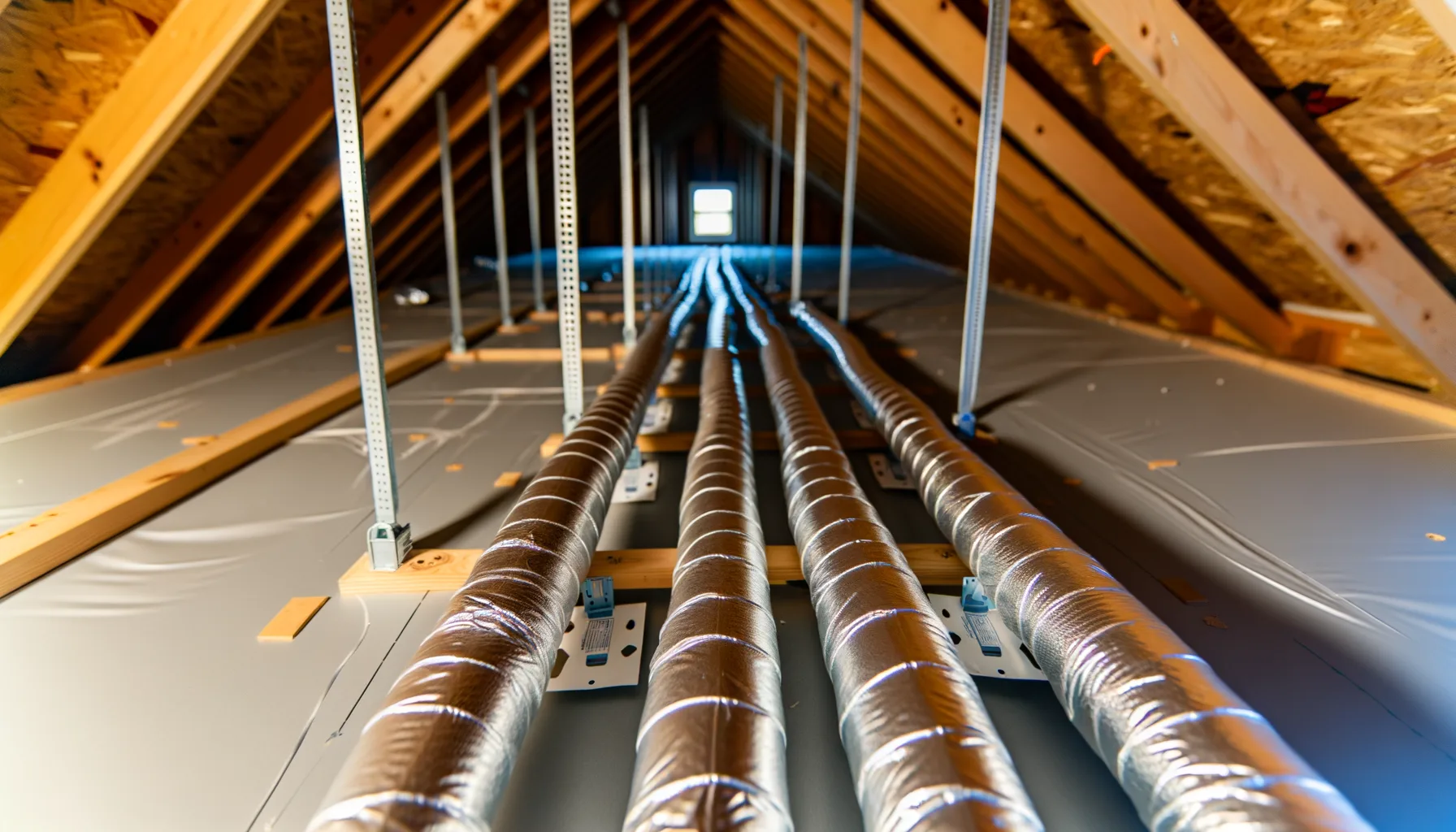
2. Seal Those Ducts
Duct leaks can cost you hundreds in energy bills and make controlling your indoor climate challenging. If you haven't had your ductwork inspected recently, consider doing so before the peak heating or cooling seasons. In Denver, sealing ducts can cost anywhere from $300 to $800, depending on the extent of the work.
It may seem like a hassle, but addressing hidden leaks can improve your home's efficiency significantly. Moreover, proper sealing also lowers the risk of contaminated air entering your living space, a bonus for any health-conscious homeowner.
3. Understand Your Thermostat
Many homeowners in Denver still use manual thermostats, losing out on energy savings. Upgrading to a smart thermostat can provide precise control over heating and cooling, adapting to your schedule and reducing energy waste. Advanced models start at around $150, but the potential savings on energy bills can quickly make this a worthwhile investment.
Smart thermostats can even be programmed to respond to Denver’s rapid temperature changes, ensuring your home stays comfortable without constantly adjusting the settings.
4. Prepare for Hail Damage
Hail storms are a common concern for Denver residents, posing risks to both vehicles and external HVAC units. To mitigate hail damage, consider installing protective covers or enclosures for your outdoor units. These solutions can typically range from $100 to $500, depending on materials and installation.
It's also vital to check and clear any debris around your system before storms hit, enhancing airflow and reducing potential damage. Ignoring these protective measures may lead to expensive repairs or even replacements.
5. Insulate Your Home
Effective insulation can drastically reduce the heating and cooling demands on your HVAC system. For Denver homes, a proper insulation upgrade can range from $1,500 to $3,000 depending on the size and type of insulation used. Consider cellulose or spray foam to ensure maximum efficiency, especially given the city’s signature temperature swings.
Better insulation not only enhances comfort but can also extend the life of your HVAC system, allowing it to operate less frequently during harsh weather conditions.
6. Know When to Replace
Every HVAC system has a lifespan of roughly 10-15 years. If your system frequently breaks down or experiences inconsistent temperatures, it might be time for a replacement. You can expect to pay between $4,000 and $10,000 for a new unit, including installation, but a new system improves efficiency and often translates to lower utility bills.
In some cases, financing options or utility company rebates may help ease the financial burden in Denver, further encouraging timely replacements.
Denver Climate & Local Context
Denver's unique weather conditions, characterized by rapid temperature fluctuations, make HVAC systems vital for year-round comfort. The city experiences notable challenges, including hail storms and heavy snowfall that affect HVAC performance and reliability. For many local homes built on expansive clay soils, traditional HVAC installations may not accommodate the particular risks posed by structural shifts during freeze-thaw cycles.
Additionally, Colorado's building regulations require specific considerations during installation and renovation projects to optimize energy efficiency and comply with local codes. Familiarity with these guidelines is essential for homeowners looking to maintain compliant and effective HVAC systems.
When to Call a Professional
While some HVAC tasks can be handled DIY, knowing the difference between manageable issues and those requiring professional help is critical. For example, simple filter changes or thermostat programming can usually be done without assistance. However, more complex tasks, such as repairs to electrical components or refrigerant leaks, should always be left to professionals.
- Strange noises from your HVAC unit
- Increased energy bills with no explanation
- Inconsistent heating or cooling
- Frequent short cycling of the system
- Presence of refrigerant leaks
- Burning smells or soot
- Moisture accumulation around the unit
- Age of the system exceeding 15 years
In these scenarios, contacting an experienced service provider like ThermaFlow Heating and Cooling is essential to ensure safety and effective repairs.
Frequently Asked Questions
What should I do if my HVAC unit is not working in the winter?
If your HVAC unit fails during winter, check the thermostat first for correct settings. If the issue persists, assess whether the breaker is tripped or the filter needs to be replaced. For more serious problems, contact ThermaFlow Heating and Cooling to schedule a repair.
How often should I change my HVAC filter?
In Denver, it's advisable to check and change your HVAC filter every 1-3 months, especially during the peak heating and cooling seasons. A clean filter promotes better air quality and improves efficiency.
What is the average cost of HVAC maintenance in Denver?
HVAC maintenance in Denver generally costs between $100 to $200 per visit, depending on the service provider and the specifics of your system. Consider annual maintenance plans for potential savings on repairs.
How can I improve the efficiency of my HVAC system?
To enhance your HVAC efficiency, regularly change filters, ensure proper insulation in your home, and schedule periodic professional maintenance. Addressing these factors can lead to noticeable improvements in energy consumption.
When should I replace my HVAC unit?
If your HVAC unit is over 15 years old, frequently breaks down, or requires costly repairs, it might be time to replace it. Investing in a new unit can ultimately provide better efficiency and comfort in your Denver home.
Get Expert HVAC Service in Denver
If you’re experiencing issues with your heating and cooling systems or simply want to ensure they’re ready for Denver's unpredictable weather, don't hesitate to reach out. Call (720) 712-7358 today. ThermaFlow Heating and Cooling is here to help you maintain a safe and comfortable environment for your home.
Contact us to schedule a consultation or discuss your HVAC needs. Let’s work together to make your home a comfortable retreat amidst Denver's diverse climate!