Comparing HVAC Services: What to Look For in 2026
Published: 2026-04-14 · By ThermaFlow Heating and Cooling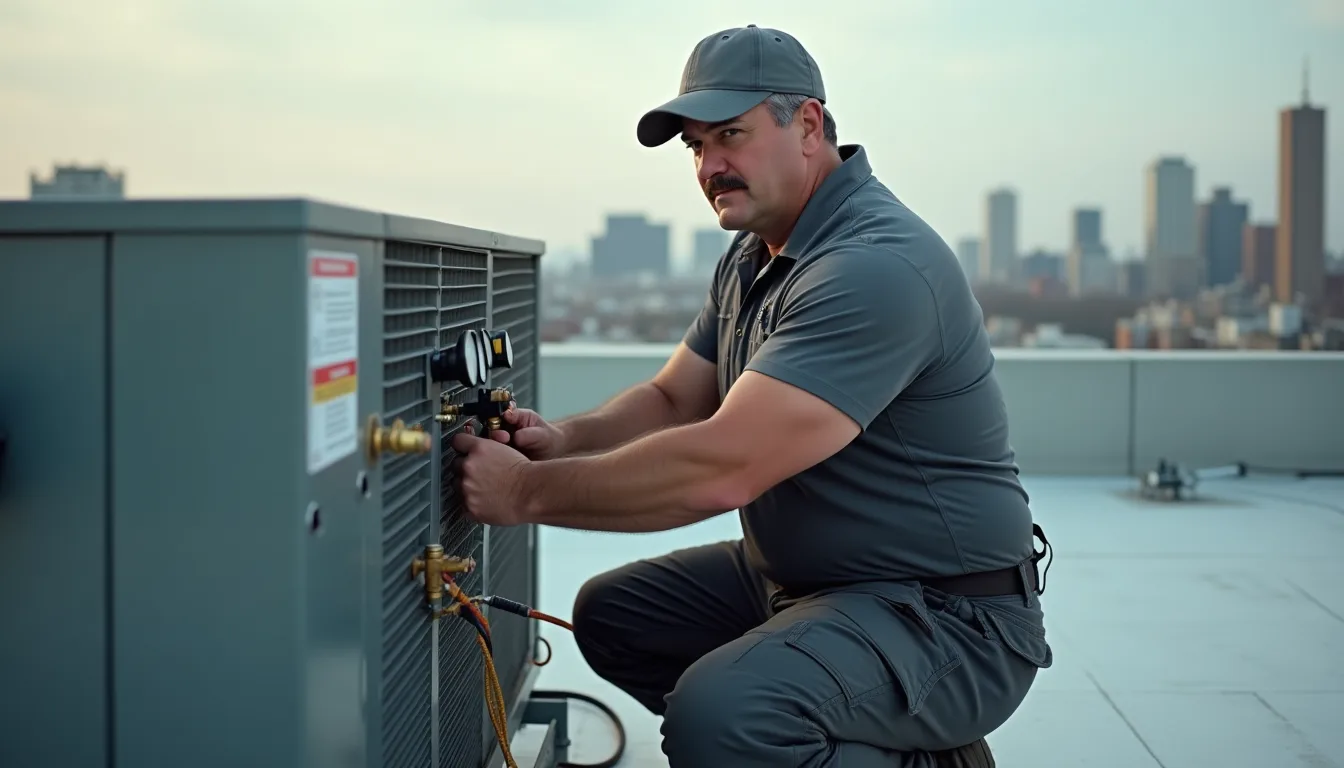
Denver's rapidly shifting weather patterns can leave any homeowner feeling unprepared. Just last spring, a sudden freeze-thaw cycle led to considerable discomfort for many as their HVAC systems struggled to keep up with the demands of an unpredictable climate. Whether it’s the heat of summer or the chill of winter, your HVAC system is the backbone of comfort in your home. As we approach 2026, understanding what to prioritize when selecting HVAC services can make all the difference in ensuring reliable performance and peace of mind.
Why This Matters for Denver Homeowners
The unique climate of Denver, characterized by its wild temperature swings, presents challenges for HVAC systems. Homeowners often discover too late that their traditional heating and cooling solutions aren't equipped for the demands of our high-altitude conditions. The combination of baking-hot summers and freezing winters can lead to rapid wear and tear, particularly if your system is not designed with our local environment in mind.
Moreover, Colorado's expansive clay soils exacerbate drainage issues, particularly in the spring when heavy snowmelt meets rain. This can lead to flooding around your unit, affecting its efficiency and lifespan. Under these conditions, a faulty HVAC system can escalate energy bills and lead to unexpected breakdowns.
Understanding these factors is critical for residents who want a comfortable home. The wrong choice in HVAC service can result in financial strain and safety concerns, particularly as we enter a climate that continues to shift.
Expert Solutions & Actionable Tips
1. Assess Your Current HVAC System
Before considering HVAC upgrades or a new installation, take a close look at your current system. Is it compliant with the latest energy codes for Denver? Many systems may be outdated, leading to increased energy usage that can range from 10-30%. When upgrading, expect to pay between $5,000 and $15,000 depending on the size and efficiency ratings.
Regular maintenance is advisable in Denver, with recommended inspections every six months, which could prevent unwanted surprises during harsh weather.
2. Choose the Right Type of HVAC System
With diverse options ranging from central air to ductless units, your choice depends on your home's layout and specific needs. For many Denver homes, ductless systems are an excellent choice for their efficiency and adaptability to rapid temperature variations. Pricing can vary from $3,000 to $7,000 depending on system capacity and installation requirements.
Consult with local professionals like ThermaFlow to determine the best fit for your space.
3. Understand Local Building Codes
Familiarizing yourself with local building codes is crucial for any HVAC installation or renovation project. Denver's stringent regulations require specific permits that serve to protect your investment. Costs for these permits often range from $50 to several hundred dollars, depending on the scope of work.
Ensuring compliance helps prevent costly delays and additional inspections later on.
4. Incorporate Smart Technology
Consider upgrading to a smart thermostat, which can significantly enhance your HVAC system’s efficiency. Smart thermostats can save between 10-20% on heating and cooling costs annually. Models in Denver start around $100, and some may even qualify for utility rebates.
These devices can adapt to your routine and local weather, ensuring your system operates only when needed.
5. Check for Rebates and Incentives
Take advantage of local utility company rebates and incentives for energy-efficient HVAC systems. Programs often change but can offer savings ranging from $200 to $1,000 for qualifying systems. It's smart to check what’s available before making a purchasing decision.
ThermaFlow Heating and Cooling can assist in navigating these opportunities to maximize your investment.
6. Establish a Relationship with an HVAC Professional
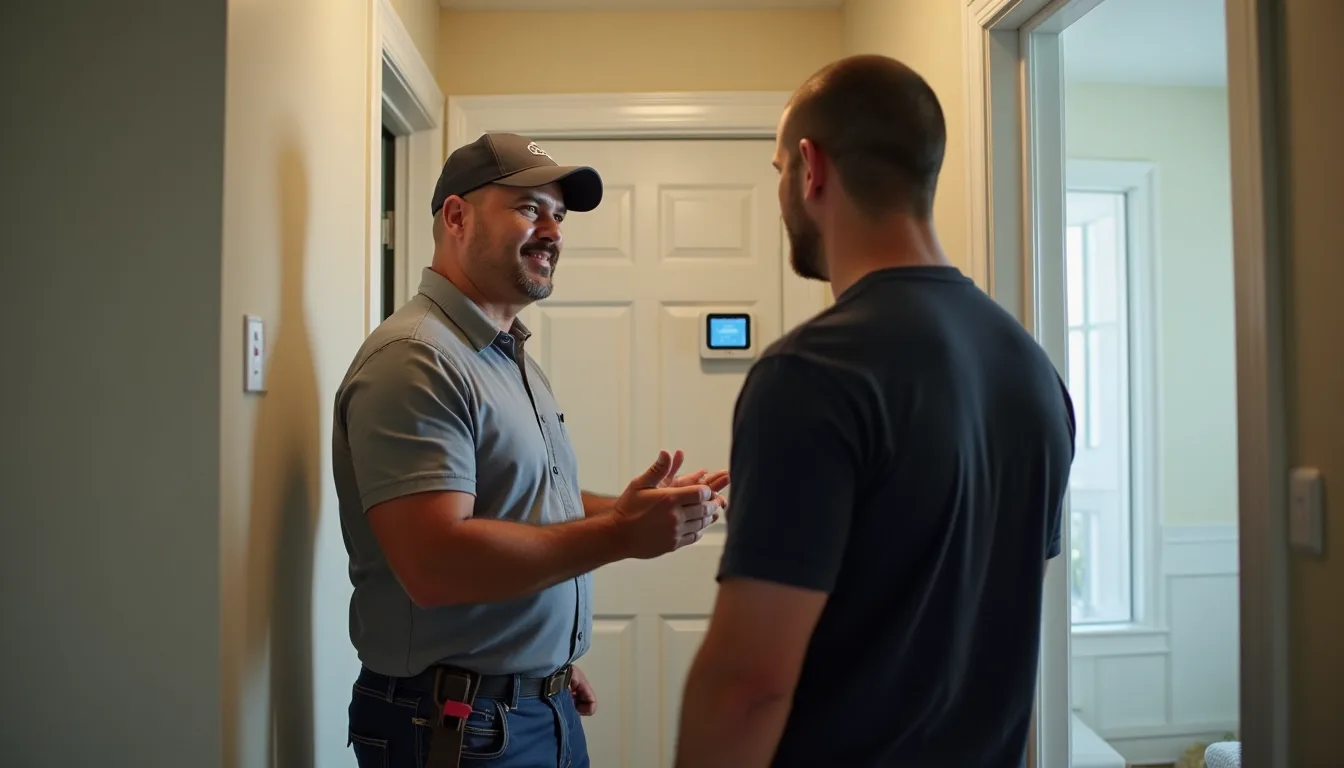
Finding a reliable HVAC contractor can save time and money in the long run. Look for companies with positive reviews, like ThermaFlow Heating and Cooling, that specialize in Denver's unique climate. Regular maintenance agreements often come at a yearly cost between $150 and $300 and can include benefits such as priority scheduling and discounts on repairs.
Building this relationship ensures that your home remains comfortable year-round.
Denver Climate & Local Context
Denver's climate is diverse and can change dramatically in a single day, making quality HVAC systems essential for comfort. Homes often deal with expansive clay soil that can shift and cause structural stress, especially under the freeze-thaw cycles that accompany our spring seasons. Understanding these factors is critical when planning HVAC system installations or repairs.
Permits are often required for significant HVAC changes, which involves understanding local building codes that are designed to address our unique weather considerations. With the right expertise, homeowners can navigate these regulations successfully while enhancing their home's heating and cooling efficiency.
When to Call a Professional
Deciding between a DIY approach and hiring an HVAC professional can be daunting. While minor tasks like changing filters or adjusting thermostats can be handled without assistance, more complex issues should always involve experienced technicians to ensure safety and efficiency.
- Refrigerant leaks or issues
- Frequent cycling on and off
- Unusual noises or smells
- Furnace not producing heat
- AC unit frozen or not cooling
When in doubt, reach out to a professional, especially when facing Denver’s challenging environmental conditions. It’s better to be proactive and secure peace of mind.
Frequently Asked Questions
How often should I service my HVAC system in Denver?
For optimal performance, it’s best to service your HVAC system at least twice a year—once for heating and once for cooling. ThermaFlow Heating and Cooling recommends scheduling these services before the peak seasons.
What are the signs my HVAC system needs repair?
Common signs include strange noises, fluctuating temperatures, and increased energy bills. If you notice these issues, don’t hesitate to contact a professional for an evaluation.
Can I install an HVAC system myself?
While some small tasks are manageable, the installation of a new HVAC system should always be performed by a professional to ensure compliance with local codes and optimal performance.
How does Denver's soil affect HVAC installations?
Many Denver homes are built on expansive clay soils, which can lead to drainage issues. Proper installation must consider this factor to prevent future complications or damage to your HVAC system.
What is the typical lifespan of an HVAC system?
Most HVAC systems in Denver last between 10 and 15 years with proper maintenance. Regular check-ups can significantly extend the life of your system.
Get Expert HVAC Service in Denver
Finding the right HVAC service is critical as we transition into 2026. If you’re ready to enhance your home's comfort, don’t hesitate to reach out to ThermaFlow Heating and Cooling. Call us today at (720) 712-7358 to talk about your HVAC needs.
Your comfort is important, and with our expertise, we can ensure your home remains a safe haven, no matter what the Denver weather throws your way.